Last year, Indian lawmakers told critics that the personal data of citizens collected by that nation’s Aadhaar Digital Identity system were held behind walls “13 feet high and five feet thick” in a safe facility in the country.
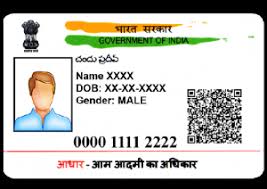
Well, according to the latest crisis to affect the scheme as reported by the Asian press, looks like they might need to see if someone’s dug a tunnel underneath those walls – as an alleged massive breach has once again called into question the security of the troubled ID program.
A lawsuit against the government from the very body that issues Aadhaar identity cards, the Unique Identification Authority of India (UIDAI), says the data of possibly as many as 78 million cardholders is probably compromised.
These would be residents of the two big southern states of Andhra Pradesh and Telengana, but other states may also have been involved – as it turns out that the data was not behind those famously thick walls at all, but an “offshore storage facility”.
If you liked this content…





As a result, “There is every possibility that sensitive data of Indian citizens could be accessed and used by countries hostile to India or international organised crime syndicates in a manner which could seriously be detrimental to national security.”
The finger’s being pointed at a local Indian IT service provider, IT Grids (India), which seems to have made the storage decision as part of a project to develop a voter data app for a regional political party, Telegu Desam.
This latest claim weakens repeated assertions by the Indian government that Aadhaar data is secure and that its central database was “impossible” to hack into.
The Aadhaar system has had repeated attacks, too, from privacy campaigners, with the country’s Supreme Court recently forbidding a section of the original legislation that permitted the national government to sell on citizen private details to third parties.