Background
The UK government is undertaking a transformation of its border and immigration systems as part of the Home Office’s wider 2030 digital strategy. Central to this effort is the introduction of the Electronic Travel Authorisation (ETA) scheme and wider eVisa programme, designed to modernise how travellers are verified before entering the UK.
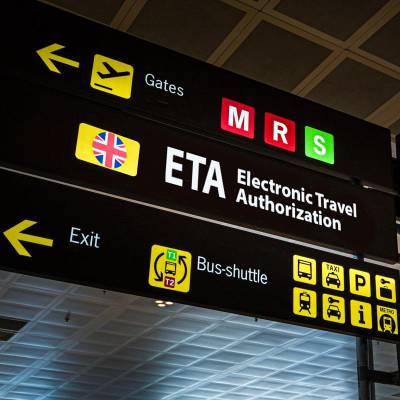
The ETA is a digital permission required for eligible visitors travelling to the UK who do not currently need a visa for short stays and who do not already hold UK immigration status. The programme builds on earlier digital immigration initiatives, including the EU Settlement Scheme (EUSS), which introduced remote digital identity verification for immigration applications.
To support the rollout, the Home Office partnered with identity security specialist Entrust to provide a digital identity verification platform integrated directly into Home Office systems.
Challenge
The Home Office needed to create a secure, fully digital identity verification process capable of supporting millions of international travellers while improving border security and reducing operational complexity.
The system needed to:
- Verify traveller identities remotely and securely
- Reduce reliance on manual document checks
- Improve the speed and efficiency of immigration processing
- Support high application volumes at national scale
- Provide a simple and accessible digital experience for travellers
At the same time, the programme had to integrate with existing Home Office infrastructure while meeting strict security and operational requirements.
Solution
Entrust deployed its Citizen Identity Orchestration platform as part of the UK’s ETA and eVisa systems.
Travellers apply using the UK ETA mobile app or through GOV.UK, completing a fully digital process on their smartphone. Applicants scan the chip in their passport and capture a live facial biometric image, which is then verified against passport data to confirm identity.
If you liked this content…





The system is integrated with Home Office systems and operates as a fully managed service. Enhanced biometric algorithms from Paravision were also integrated into the process, helping automate identity verification and reduce the need for manual reviews.
According to Entrust, application decisions are typically issued within three working days, and often much sooner.
Result
The ETA scheme has become a major component of the UK’s digital border infrastructure. Since launching in October 2023:
- More than 24.8 million ETAs have been issued
- More than 2.24 million visitor visas have been granted
- Biometric automation has reduced manual verification requirements by more than 50 percent
- Travellers can complete applications using their own mobile devices
Entrust said the programme has helped the Home Office strengthen pre-travel identity verification while improving operational efficiency and reducing friction for eligible visitors entering the UK.
The ETA itself costs £20, remains valid for two years (or until the traveller’s passport expires), and allows multiple entries into the UK during that period.
Next steps
The ETA programme forms part of a broader Home Office digital transformation strategy focused on modernising border control, immigration systems, and digital identity services.
As the scheme continues to expand internationally, the Home Office is expected to further scale digital identity verification capabilities and integrate additional automation into immigration processes. The wider collaboration between Entrust and the Home Office under the Generic Identity Verification (GIDV) programme also positions the platform to support future digital immigration and border services.